Finding Inspiration for Your Ceremony Music
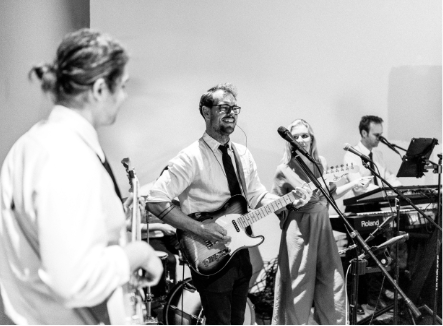
Ceremony music tends to set the emotional tone for the entire day, which is why many couples spend extra time thinking through this selection. Processional music in particular deserves careful consideration, since it's often the first musical moment guests experience and tends to carry significant emotional weight as the wedding party makes their way down the aisle.
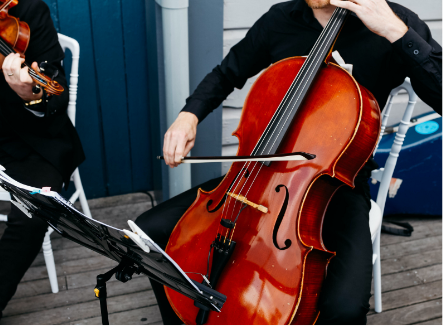
Classical and instrumental arrangements remain popular choices for ceremonies, largely because they create a reflective atmosphere without pulling focus from the moment itself. That said, many Toronto couples are increasingly drawn to acoustic renditions of contemporary songs, which can feel more personal while still maintaining the softer tone appropriate for a ceremony setting.
The recessional, or exit music, typically shifts toward something more upbeat and celebratory. This transition marks the official start of the celebration, and many couples use this moment to introduce a slightly higher-energy song that hints at the tone of the reception to come. It's a small but meaningful shift in the day's musical arc.
Interlude music, played during moments like the unity candle, sand ceremony, or signing of the register, offers another opportunity for personalization. These segments are often shorter and more intimate, making them a good fit for songs with sentimental meaning, even if they wouldn't necessarily work as a processional or recessional choice.
If you're working with live wedding musicians, it's worth discussing which songs can be arranged acoustically or with limited instrumentation, since ceremony setups are often more stripped down than full reception performances. A skilled musician can often adapt a favourite song into something that fits the quieter, more intimate ceremony setting.
Cocktail Hour Playlist Ideas That Set the Right Tone
Cocktail hour occupies a unique space in the wedding timeline, functioning as a transition period between the ceremony and the more structured reception program. Music during this window should feel pleasant and easy to talk over, which is why many couples lean toward lighter instrumental or acoustic arrangements rather than high-energy dance tracks.
Jazz standards and lounge-style arrangements have long been popular choices for cocktail hour, largely because they create a relaxed, sophisticated atmosphere without demanding much attention from guests. These styles work particularly well in Toronto venues with a more refined aesthetic, such as downtown lofts or historic event spaces.
For couples wanting something a bit more contemporary, acoustic covers of popular songs offer a nice middle ground. These arrangements retain the familiarity of well-known tracks while softening the overall energy, making them well suited to a setting where guests are mingling and having conversations rather than dancing.
Instrumental versions of favourite songs, whether from film scores, popular music, or personal favourites, can also add a layer of personality to cocktail hour without overwhelming the space. This approach allows couples to incorporate meaningful music even into a portion of the day that isn't typically associated with specific song choices.
If live wedding musicians are performing during cocktail hour, it's worth asking whether they can build a set list around specific genres or moods you have in mind. Many performers, including groups like Red Soda Band, can tailor their cocktail hour repertoire to match the overall aesthetic and energy couples are going for.
Reception Entrance and First Dance Song Ideas
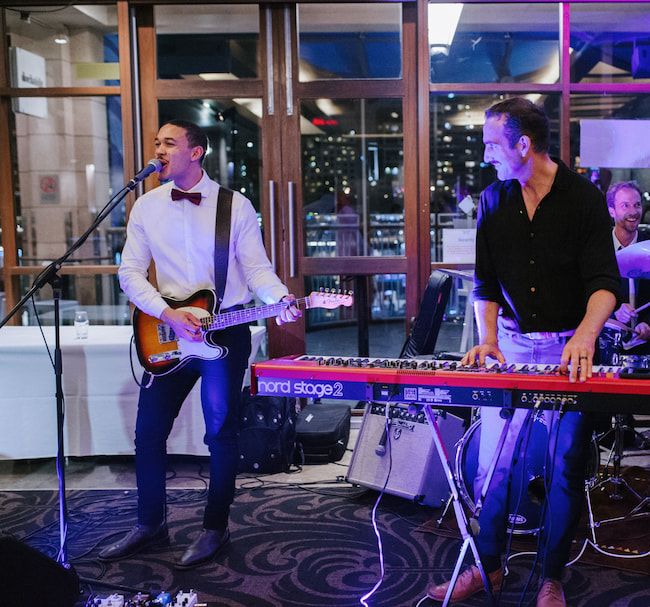
The reception entrance is often one of the more anticipated musical moments of the day, marking the official start of the celebration portion of the wedding. Many couples choose an upbeat, high-energy song for this moment, using it to set an exciting tone as they're introduced to their guests for the first time as a married couple.
Some couples prefer a more understated entrance, opting for a song with personal significance rather than something purely energetic. There's no single right approach here, and the choice often comes down to the overall vibe couples want for their reception, whether that's a big celebratory entrance or something quieter and more sentimental.
The first dance is arguably one of the most personal song choices of the entire day. Many couples select a song tied to a specific memory, whether that's the track that played on an early date or a song that simply feels representative of their relationship. This is often where live wedding music offers a distinct advantage, since musicians can adapt tempo or arrangement for a more tailored performance.
Parent dances typically follow a similar logic, with couples choosing songs that reflect their relationship with a parent or family member. These moments tend to be shorter but carry significant emotional weight, and many couples spend just as much time choosing these songs as they do the first dance itself.
For couples working with a live band, it's worth discussing early on whether specific songs need to be learned or arranged ahead of time. Groups experienced in wedding performance can often provide guidance on which songs translate well to a live setting, helping couples make choices that will sound great performed live rather than simply mirroring a recorded track.
Dinner and Background Music That Complements Conversation
Dinner music occupies an interesting middle ground in the wedding timeline, since it needs to add ambiance without competing with conversation at the tables. Many couples underestimate how much thought goes into this portion of the playlist, assuming background music simply needs to be pleasant rather than carefully curated.
Acoustic and instrumental arrangements tend to work particularly well during dinner, since they maintain a warm atmosphere without pulling attention away from speeches or table conversations. Many Toronto wedding bands scale back their instrumentation during this portion of the evening, shifting toward a softer, more subdued sound.
Genre choice during dinner often reflects the overall tone couples are going for. Some opt for jazz or soul-influenced arrangements, while others prefer softer pop or acoustic folk styles. There's flexibility here, and dinner music is often a good opportunity to incorporate personal favourites that might be too mellow for the dance floor later in the night.
Speeches typically require a brief pause in music, and coordinating this transition smoothly is something experienced wedding musicians handle regularly. A well-timed shift from background music to silence, and back again, helps maintain a polished flow throughout the dinner portion of the reception.
As dinner winds down, many bands begin gradually increasing energy to signal the upcoming transition into dancing. This subtle shift helps guests mentally prepare for the more active portion of the evening, creating a smoother transition rather than an abrupt jump from dinner ambiance to a full dance set.
Building a Dance Floor Playlist Guests Will Remember
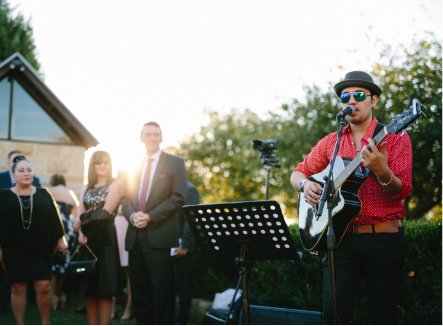
Once the dance floor officially opens, the priority shifts toward keeping energy high and guests engaged for an extended stretch of the evening. A strong dance set usually opens with a few well-known, higher-energy songs to draw guests onto the floor, since momentum tends to build more easily once a critical mass of people are already dancing.
Mixing eras and genres is a common strategy for keeping a diverse guest list engaged throughout the night. Many wedding bands blend classic hits with more contemporary tracks, ensuring there's something for both younger guests and older family members. This variety helps sustain energy across a longer performance rather than losing momentum partway through.
Reading the room becomes especially important during this portion of the reception. Experienced live wedding performers pay close attention to which songs are landing well and which aren't, adjusting their set list in real time rather than sticking rigidly to a predetermined order. This kind of responsiveness is one of the clearer advantages of live music over a fixed playlist.
Guest requests can also play a meaningful role in shaping the dance floor experience. Many bands welcome requests throughout the night, using them to gauge crowd preferences and keep the energy building. Couples who want a more interactive reception often appreciate this flexibility, since it allows the party to evolve organically.
Toward the end of the night, many receptions include one final high-energy moment before wrapping up, sometimes referred to as a last dance or send-off song. This closing moment often mirrors the tone of the entrance song, bringing the night full circle with one last burst of energy before guests begin to say their goodbyes.
Personalizing Your Wedding Music Around Your Relationship
Beyond the standard structure of ceremony, cocktail hour, and reception, many couples look for ways to weave personal meaning into their overall music choices. This might include songs tied to specific memories, tracks from a favourite artist, or music that reflects cultural or family traditions important to the couple.
Cultural and family traditions often play a significant role in shaping wedding music choices, particularly in a city as diverse as Toronto. Many couples incorporate songs or musical styles that honour their heritage, sometimes blending traditional elements with more contemporary reception music to create a celebration that feels authentically their own.
Some couples choose to build their entire wedding soundtrack around a shared theme, such as songs from a particular decade, genre, or artist that holds significance in their relationship. This approach can create a cohesive musical experience throughout the day, giving the celebration a distinct personality that feels intentional rather than generic.
Working closely with live wedding musicians can make this kind of personalization easier to achieve, since bands with strong arrangement skills can often adapt meaningful songs across multiple moments of the day, from a instrumental version during cocktail hour to a full performance during the reception. This continuity can reinforce the personal themes couples are hoping to highlight.
Ultimately, personalization doesn't require every song to carry deep meaning. Many couples find a balance between sentimental choices and simply fun, danceable tracks that keep guests engaged. The goal is usually less about perfection and more about creating a soundtrack that feels genuinely representative of the couple and the celebration they're hosting.
How Working With Live Musicians Expands Your Music Options
One advantage of working with live wedding musicians, rather than relying solely on a curated playlist, is the ability to adapt songs in ways that better suit specific moments of the day. A skilled band can adjust tempo, key, or instrumentation to make a song feel appropriate for a ceremony, cocktail hour, or dance floor, even if the original recording wouldn't quite fit each context on its own.
Live musicians also bring the ability to transition smoothly between songs and moods, something that requires real skill and experience. Rather than abrupt cuts between tracks, a band can blend transitions in ways that feel more natural, helping maintain the flow of the evening even as the energy shifts throughout the night.
For couples with eclectic musical taste, live bands often offer more flexibility than pre-recorded sets, since musicians can draw from a wide range of genres and adjust their performance based on the room's response. This adaptability is particularly valuable for weddings with diverse guest lists spanning multiple generations and musical preferences.
Working with a group like Red Soda Band also allows couples to have direct conversations about specific song requests, arrangement preferences, and overall set structure well ahead of the wedding date. This collaborative approach helps ensure the final music selection genuinely reflects what the couple envisions, rather than relying on generic assumptions about what wedding guests typically enjoy.
Ultimately, live music expands the creative possibilities available to couples planning their wedding soundtrack. Whether it's a personalized arrangement of a meaningful song or the ability to read the room and adjust in real time, working with experienced wedding musicians often opens up options that a fixed playlist simply can't offer.