Why the Reception Needs a Different Approach Than the Ceremony
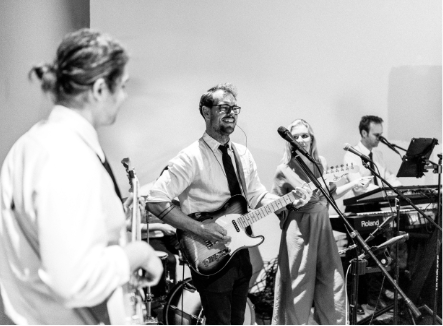
Ceremony music tends to prioritize restraint and emotional tone, while reception entertainment has an entirely different job — sustaining energy and engagement across a much longer stretch of time. A wedding musical bands Toronto couples hire for their reception need range and stamina that a ceremony-only performer typically doesn't require.
The reception also involves far more variability than a ceremony. Guests move between conversation, dining, speeches, and dancing, and the entertainment needs to adjust its energy and volume to match each of these moments naturally. This kind of real-time adaptability is one of the clearest advantages a live band holds over a fixed playlist.
Pacing across the reception matters enormously. A band that opens with too much energy risks losing momentum before the dance floor even opens, while one that stays too subdued throughout dinner can struggle to build excitement later. Experienced reception bands understand how to build energy gradually rather than peaking too early or too late.
Guest engagement also differs meaningfully between ceremony and reception settings. During a ceremony, the audience is largely passive, focused on the couple. At a reception, especially once dancing begins, the band becomes an active participant in shaping how guests move, interact, and enjoy the remainder of the evening together.
Because of these differences, many couples specifically look for bands with strong reception experience, distinct from general live performance background. Groups like Red Soda Band are often chosen for this reason — reception entertainment requires a particular blend of musical skill and crowd-reading instinct built through repeated wedding experience.
Setting the Tone During Cocktail Hour
Cocktail hour is typically the first moment guests experience live reception music, and it sets an early impression for the rest of the evening. A wedding band during this segment usually plays in a more relaxed, conversational style, providing warmth without demanding full attention from guests who are mingling and catching up with one another.
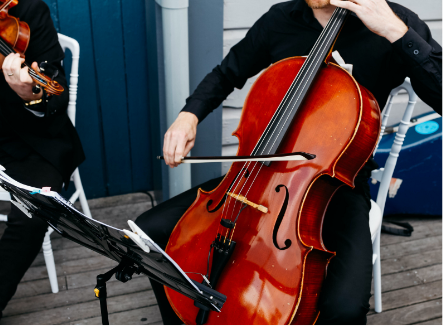
Instrumentation often scales back during cocktail hour compared to the full reception band lineup. A smaller ensemble or acoustic arrangement tends to work well here, creating ambiance that supports conversation rather than competing with it, while still offering a genuinely live wedding performance rather than background recordings.
Song selection during this segment usually leans toward familiar, easygoing material. Lighter arrangements of well-known songs tend to suit the social nature of cocktail hour, giving guests a pleasant, low-pressure musical backdrop as they settle into the venue and begin the celebration together.
This period also offers a useful opportunity for the band to gauge crowd energy before the reception moves into its more structured segments. Experienced musicians often use this time to observe how guests are responding, informally adjusting their approach heading into dinner and the later dance portion of the evening.
Venue layout can influence how cocktail hour music is delivered, particularly in Toronto wedding venues with separate cocktail spaces from the main reception room. Bands need to coordinate logistics around moving equipment or performers between spaces, which is worth discussing directly during the planning process.
Keeping Dinner Entertainment Balanced
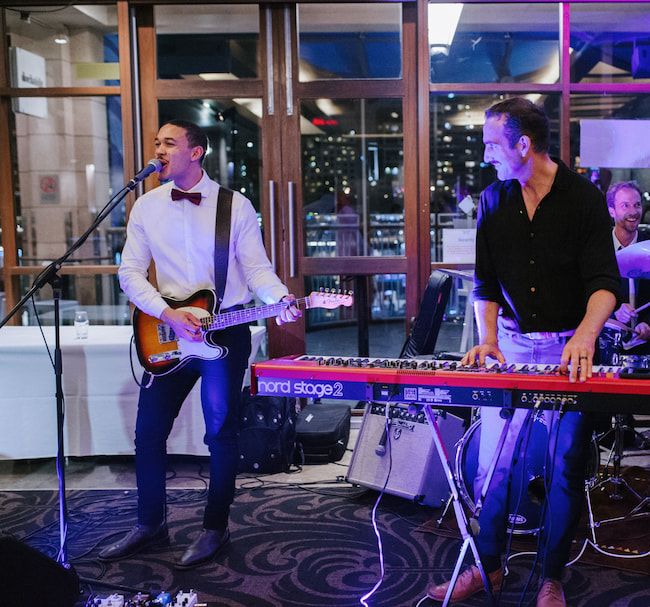
Dinner entertainment requires a careful balance between providing atmosphere and avoiding distraction from conversation at the tables. A wedding band typically shifts toward softer instrumental or vocal arrangements during this segment, creating a pleasant backdrop without overwhelming the sound of guests talking and enjoying their meal.
Volume management becomes especially important here. A band skilled at reception entertainment understands how to modulate sound levels appropriately for a dining setting, ensuring music enhances the atmosphere rather than forcing guests to raise their voices to be heard across the table.
Song choice during dinner often differs noticeably from the more upbeat material played later in the evening. Slower, more melodic arrangements tend to suit this segment well, offering a smoother listening experience that complements rather than competes with the dining experience unfolding throughout the room.
This portion of the reception also frequently includes structured moments like speeches or toasts, which a band needs to navigate carefully. Coordinating with the couple or day-of coordinator on timing helps ensure smooth transitions between background music and these more formal interludes throughout the meal.
Dinner entertainment sets up the transition into the reception's more energetic later stages, so maintaining a steady, well-paced atmosphere here matters more than it might seem. A band that manages this segment well tends to carry that same attentiveness into the dance floor portion that follows.
Building Momentum on the Dance Floor
Once dinner concludes, the reception typically shifts toward its most energetic phase, and this is where a wedding band's dance floor material comes into full focus. Building momentum gradually, rather than opening with maximum intensity, tends to result in a longer, more sustained period of guest engagement throughout the remainder of the night.
Reading the crowd becomes especially important during this segment. A skilled band adjusts its set list in real time based on which songs are getting the strongest response, sometimes extending a popular number or shifting direction based on what's actually working in the room rather than sticking rigidly to a planned order.
Genre range plays a significant role in sustaining a strong dance floor across a full evening. A band capable of moving between different eras and styles tends to keep a wider mix of guests engaged, particularly at weddings with a broad range of ages among attendees, from younger guests to older relatives.
Sustained energy over several hours also requires real stamina from performers. Wedding musicians Toronto couples hire for reception entertainment need to maintain vocal and instrumental quality late into the evening, which is part of why experience with full wedding timelines matters more than shorter concert-style performances.
Interaction between the band and guests often amplifies dance floor energy further. Musicians who engage directly with the crowd, whether through brief remarks or genuine enthusiasm on stage, tend to draw more people onto the floor and keep them there longer than a band that performs without connecting to the room.
Coordinating Special Moments During the Reception
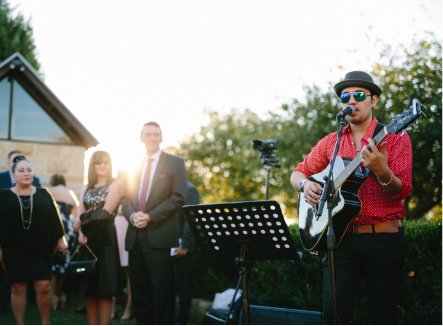
Beyond general dancing, a wedding band typically handles several scheduled moments throughout the reception that require careful coordination. The first dance is often the most significant of these, requiring precise timing and a rehearsed arrangement that matches the couple's chosen song closely and respectfully.
Parent dances follow a similar pattern, often calling for a more understated, emotionally attuned performance compared to the higher-energy material played elsewhere in the evening. Bands experienced with these moments understand how to shift tone appropriately, giving these dances the attention they deserve within the broader reception.
Cake cutting, bouquet tosses, and other structured reception activities also typically involve musical cues, and a band's ability to time these transitions smoothly contributes to how polished the overall evening feels. Clear communication with a coordinator or the couple directly helps ensure these moments unfold without confusion.
Grand entrances, whether for the wedding party or the couple themselves, often benefit from live musical accompaniment that builds anticipation and energy as guests welcome them into the reception space. A band skilled at these introductory moments can set an exciting tone right from the start of the reception.
Coordinating all of these moments requires the band to work closely with other vendors throughout the evening. Bands accustomed to Toronto wedding receptions are typically comfortable collaborating with photographers, planners, and venue staff to ensure musical cues align smoothly with the broader timeline of the event.
Practical Considerations for Booking Reception Entertainment
Booking timing matters considerably for reception entertainment, particularly during peak wedding season in the GTA. Couples with a confirmed venue and date should begin reaching out to prospective bands well in advance, since popular groups tend to fill their calendars months ahead, especially for weekend celebrations in spring and summer.
Venue logistics deserve careful attention as well. Stage or performance space size, available power access, and any venue-specific sound restrictions should be shared with a band early in the planning process, helping avoid last-minute complications during setup on the wedding day itself.
Contract details are worth reviewing thoroughly before booking. Understanding exactly what's included — total performance length, scheduled breaks, equipment, and potential overtime costs — helps set clear expectations for both the couple and the band, reducing the chance of confusion closer to the wedding date.
It's also reasonable to ask about how a band handles breaks during a long reception. Many bands play in structured sets with short intervals, and understanding how those gaps are managed, whether through recorded music or another arrangement, helps couples plan the overall flow of their evening more accurately.
Finally, couples should feel comfortable asking about a band's experience with receptions similar in size and style to their own. A group experienced with the specific format and pacing of Toronto wedding receptions, such as Red Soda Band, often brings a level of preparedness that translates into a smoother, more confident performance on the day.
Reception Entrance and First Dance Song Ideas
The reception entrance is often one of the more anticipated musical moments of the day, marking the official start of the celebration portion of the wedding. Many couples choose an upbeat, high-energy song for this moment, using it to set an exciting tone as they're introduced to their guests for the first time as a married couple. Some couples prefer a more understated entrance, opting for a song with personal significance rather than something purely energetic. There's no single right approach here, and the choice often comes down to the overall vibe couples want for their reception, whether that's a big celebratory entrance or something quieter and more sentimental. The first dance is arguably one of the most personal song choices of the entire day. Many couples select a song tied to a specific memory, whether that's the track that played on an early date or a song that simply feels representative of their relationship. This is often where live wedding music offers a distinct advantage, since musicians can adapt tempo or arrangement for a more tailored performance. Parent dances typically follow a similar logic, with couples choosing songs that reflect their relationship with a parent or family member. These moments tend to be shorter but carry significant emotional weight, and many couples spend just as much time choosing these songs as they do the first dance itself. For couples working with a live band, it's worth discussing early on whether specific songs need to be learned or arranged ahead of time. Groups experienced in wedding performance can often provide guidance on which songs translate well to a live setting, helping couples make choices that will sound great performed live rather than simply mirroring a recorded track.
Finding the right wedding musicians in Toronto often starts with a simple question: what kind of live music fits each part of your day? Ceremony, cocktail hour, dinner, and dance floor each call for a different sound and energy, and understanding those differences early makes the search a lot easier. Couples often begin looking broadly before narrowing in on the specific type of musicians that match their vision.
For Toronto weddings, live musicians add a layer of atmosphere that recorded playlists rarely match. A string quartet during a ceremony, an acoustic duo at cocktail hour, or a full band during the reception each shape how guests experience the day. Given how many venues and settings exist across the GTA, from intimate downtown spaces to larger estate properties, matching the right musicians to your specific setting matters more than couples sometimes expect.
This article covers what to consider when hiring wedding musicians in Toronto, from the different roles musicians play throughout the day to practical questions worth asking before booking. Whether you're looking for a full live wedding band or a smaller ensemble for select moments, this should help clarify your options.
Wedding musicians typically serve several distinct roles across a single event, and each one calls for a different approach. Ceremony musicians usually focus on softer, more intentional arrangements, setting an emotional tone as guests are seated and the couple makes their entrance. This role prioritizes subtlety over energy, since the goal is to support the moment rather than dominate it.