Understanding the Different Roles Wedding Musicians Play
Wedding musicians typically serve several distinct roles across a single event, and each one calls for a different approach. Ceremony musicians usually focus on softer, more intentional arrangements, setting an emotional tone as guests are seated and the couple makes their entrance. This role prioritizes subtlety over energy, since the goal is to support the moment rather than dominate it.
Cocktail hour musicians serve a more ambient function, providing background music that encourages conversation without overwhelming the space. Many couples choose a smaller ensemble, such as a duo or trio, for this segment, reserving a fuller band setup for later in the reception when the energy naturally shifts toward celebration.
Dinner entertainment calls for musicians who can read a room that's primarily focused on conversation and food rather than dancing. Softer arrangements of familiar songs work well here, and this segment often showcases a band's range, since the same musicians frequently transition into higher-energy performance once dinner concludes.
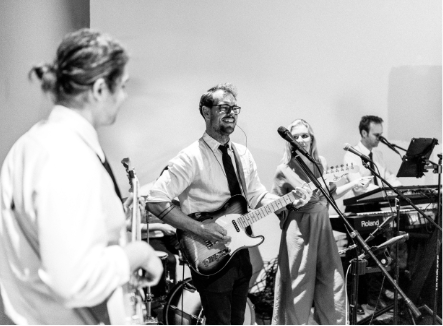
Reception and dance-floor musicians take on the most dynamic role of the day, building energy over an extended period and keeping guests engaged on the dance floor. This is typically where a full live wedding band performs, drawing on a broader repertoire and stronger stage presence than earlier, quieter segments of the day required.
Some wedding musicians specialize in one of these roles specifically, such as a string quartet focused solely on ceremonies, while others, like full bands, are equipped to handle multiple segments across the day. Understanding this distinction helps couples decide whether they need one group for everything or several different musicians for different parts of their wedding.
What to Consider When Hiring Musicians for Your Ceremony
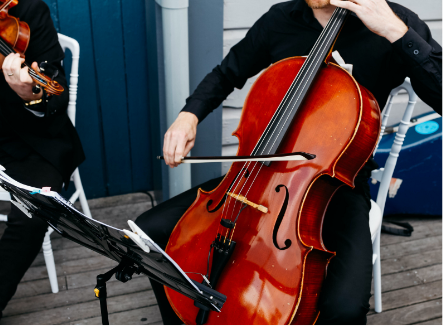
Instrumentation is one of the first decisions couples face when choosing ceremony musicians. String quartets remain a popular option for their classic, elegant sound, while acoustic guitar or piano arrangements offer a more intimate, contemporary feel. The right choice often depends on the overall tone couples want to set before guests move into the reception.
Song selection for ceremonies tends to be more personal than reception music, since couples are often choosing pieces tied to specific meaning rather than simply crowd-pleasing hits. Instrumental versions of favourite songs are common, allowing musicians to perform meaningful pieces without vocals competing with the officiant or ceremony readings.
Volume and acoustics matter significantly during ceremonies, particularly at outdoor Toronto wedding venues where sound can carry differently than in an enclosed space. Musicians experienced with ceremony performances typically adjust their approach based on venue size and setting, ensuring the music supports the moment without overpowering vows or readings.
Timing flexibility is another practical factor worth discussing with ceremony musicians. Processions don't always follow an exact predicted length, and experienced musicians know how to extend or shorten a piece smoothly in real time, rather than cutting off abruptly or awkwardly repeating a section.
Coordination between ceremony musicians and the rest of the day's entertainment is also worth planning in advance, especially if a different band or DJ takes over for the reception. Clear communication about timing and transitions between these two elements helps ensure a smooth flow from ceremony into cocktail hour without any awkward gaps.
Choosing the Right Ensemble Size and Style
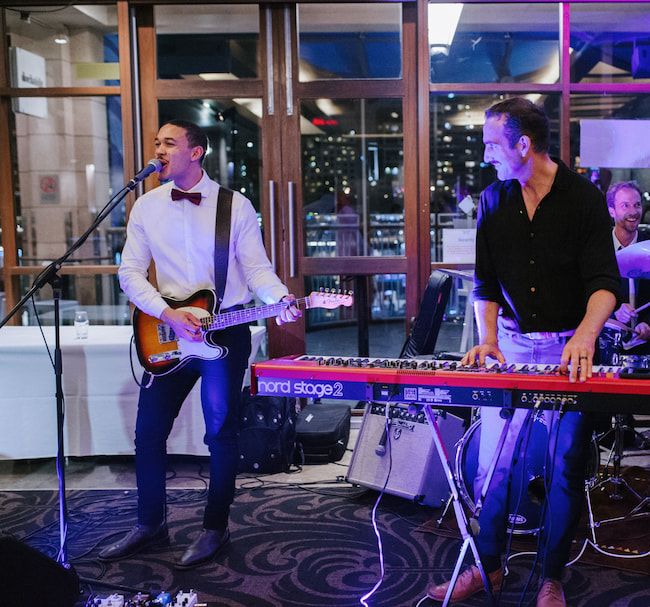
Ensemble size significantly affects both the sound and cost of hiring wedding musicians, and it's worth thinking through what scale actually fits your event. A duo or trio may suit an intimate ceremony or cocktail hour, while a full band with multiple vocalists and instrumentalists is typically better suited to filling a larger reception space with dance-floor energy.
Musical style is another important consideration, since not every ensemble specializes in the same genres. Some musicians focus on classical or acoustic arrangements suited to quieter moments, while others build their repertoire around contemporary pop, R&B, or genre-spanning dance music designed for a high-energy reception atmosphere.
Venue size plays a direct role in determining appropriate ensemble scale. Smaller downtown Toronto venues may only have space and acoustics suited to a compact setup, while larger GTA banquet halls or outdoor tents can accommodate bigger groups with additional instrumentation, horns, or backing vocalists for a fuller reception sound.
Budget considerations naturally factor into ensemble size as well, since larger groups typically involve higher costs due to the number of performers involved. Couples should weigh this against how much of the day they want covered by live musicians, since some choose live music for the ceremony and reception dance floor while using recorded music for dinner or cocktail hour.
It's worth having a direct conversation with prospective musicians about what ensemble size and style would work best for your specific venue and vision. Experienced wedding musicians can often offer useful guidance based on their past experience performing in similar Toronto wedding settings.
What Makes a Great Wedding Reception Band
A strong reception band brings more than just musical skill; it requires the ability to read a room and adjust in real time. Guest energy shifts throughout a reception, and musicians who can sense when to build momentum or pull back accordingly tend to keep the dance floor more consistently engaged than those following a fixed set list regardless of crowd response.
Song range is a major factor in what makes a band effective at receptions specifically. A guest list spanning multiple generations often responds best to musicians who can move fluidly between decades and genres, ensuring different groups of guests find music they connect with throughout the night rather than catering to just one demographic.
Stage presence and vocal delivery also play a meaningful role in a reception band's effectiveness. Musicians who engage directly with the crowd, rather than simply performing without acknowledgment, tend to draw more guests onto the dance floor and sustain that energy for longer stretches of the evening.
Professionalism around logistics, including sound equipment, load-in timing, and coordination with venue staff, is just as important as musical talent. A reception band that manages these details smoothly reduces stress for couples on the wedding day itself, allowing the focus to stay on the celebration rather than technical troubleshooting.
Red Soda Band approaches Toronto wedding receptions with this combination of range and responsiveness in mind, aiming to keep guests engaged from the first dance through the closing song. Rather than sticking rigidly to a predetermined set, the focus stays on reading the room and adjusting accordingly throughout the reception.
Coordinating Musicians Across Your Entire Wedding Day
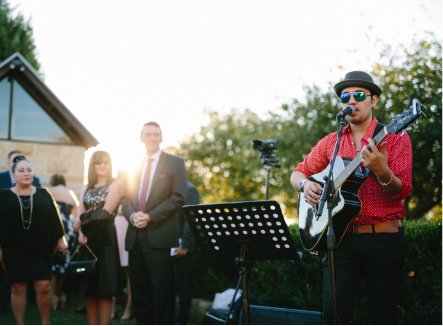
Some couples choose to hire one group of musicians capable of covering ceremony, cocktail hour, and reception, while others prefer separate ensembles suited specifically to each segment. Both approaches work, but they require different levels of coordination, particularly around timing and transitions between different portions of the day.
When using multiple musicians or groups across different segments, clear timeline communication becomes essential. Musicians need to know when to start, how long each segment should run, and when to hand off to the next performer or group, especially during tighter transitions like the shift from ceremony to cocktail hour.
Equipment logistics also become more complex when coordinating multiple musical acts throughout a single day. Shared sound systems, staging areas, or load-in schedules need to be planned carefully to avoid delays, particularly at venues hosting back-to-back ceremony and reception events in the same space.
Couples working with a wedding planner or day-of coordinator often find this coordination easier to manage, since these professionals typically handle timeline communication directly with musicians and other vendors. For couples planning independently, building a detailed timeline and sharing it with all musicians in advance helps prevent confusion on the day itself.
Regardless of how many different musicians are involved, consistency in overall musical style across the day helps create a cohesive experience for guests. Even when transitioning from a string quartet to a full band, maintaining a similar tone or quality level helps the day feel intentional rather than disjointed.
Booking Considerations and Questions to Ask
Availability is typically the first practical hurdle couples face, since popular wedding musicians in Toronto and across the GTA often book up months in advance, particularly for weddings during peak season between late spring and early fall. Reaching out early gives couples more flexibility in securing musicians who match their specific vision.
Pricing structures vary depending on ensemble size, performance length, and which segments of the day are covered. Rather than comparing costs in isolation, couples are better served evaluating what's actually included in each package, since bundled ceremony and reception coverage can offer more value than booking separate acts individually.
Asking for sample audio or video from past performances is one of the most useful steps in the booking process. This gives a clearer sense of sound quality, stage presence, and overall style than a written bio or song list alone, helping couples confirm the musicians' energy matches what they're envisioning.
Contract details deserve careful attention, particularly around performance length, included equipment, and cancellation or rescheduling policies. Reviewing these terms clearly before signing helps avoid misunderstandings later in the planning process, especially as the wedding date approaches and other logistics are being finalized.
A planning call or detailed questionnaire closer to the wedding date typically helps musicians gather specific song requests, timeline details, and any special moments requiring coordination, such as parent dances or surprise performances. This step ensures musicians and couples are aligned well before the actual event takes place.
Making the Right Choice for Your Toronto Wedding
Ultimately, choosing wedding musicians comes down to finding a group whose sound, style, and energy genuinely match the vision you have for your day. Couples who take time to listen to sample recordings, watch performance videos, and have a direct conversation with musicians often come away with a clearer sense of fit than they would from browsing profiles alone.
Communication throughout the inquiry and booking process often signals what working with a particular group will be like leading up to the wedding. Musicians who respond promptly, answer specific questions clearly, and are upfront about logistics tend to make the overall planning process smoother for couples juggling multiple vendors.
Venue compatibility is another important factor, since not every ensemble suits every space equally well. Discussing your specific Toronto wedding venue with prospective musicians helps confirm they have relevant experience with similar acoustics, layout, or outdoor considerations before committing to a booking.
Flexibility also matters, particularly around how musicians handle unexpected changes on the wedding day itself, such as a shifted timeline or last-minute requests. Groups accustomed to the pace of live wedding events tend to navigate these moments more smoothly than those with less experience performing at weddings specifically.
Taking the time to compare a few different options, ask detailed questions, and trust your instincts about which musicians feel like the right fit will ultimately lead to a more confident decision. The right wedding musicians can meaningfully shape how your day feels and how it's remembered by both you and your guests.